



History
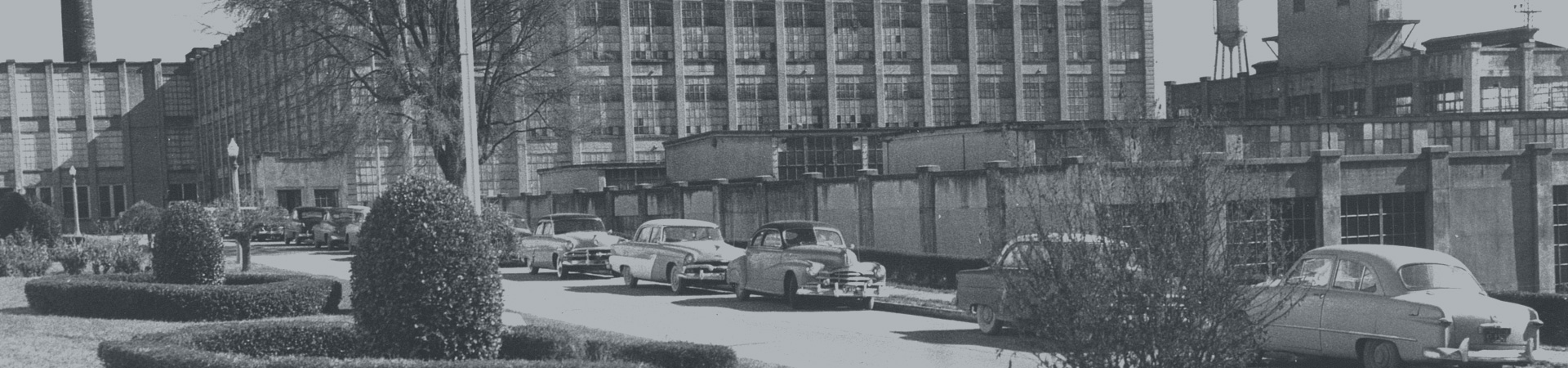
Barrett Shelton, Sr., publisher of the Decatur Daily, and Karl Woltersdorf, manager of Huntsville Utilities, had the vision of industrializing the entirety of North Alabama. The two men were concerned about the many young people who were moving away from North Alabama to find work.
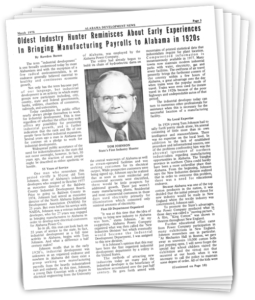 The purpose of the North Alabama Associates was to promote the sale of electric energy. Expanding existing industries and developing new industries in the area helped to bring the mission of the North Alabama Associates to fruition. The initiative provided work opportunities for the young people of the area and, as a result, increased sales of electricity and sparked newfound prosperity for the region.
At the time, North Alabama was fundamentally agricultural. Its soil was among the most fertile in the South. In 1945, 51% of the population lived on a farm. In seven out of thirteen counties in North Alabama, the farm population was in excess of 60% of the total county population. Only Colbert, Madison and Morgan Counties had significant industrial work opportunities.
Most of the first 11 months of the North Alabama Associates’ operation was devoted to enticing the Air Force to establish its Air Engineering Development Center (wind tunnel) on the Huntsville Redstone Arsenal. North Alabama lost this project to Tullahoma, Tennessee. Instead, as a consolation prize, the Army decided to make Huntsville the guided missile center of the United States. As a result, Wernher Von Braun and a team of German rocket scientists relocated to North Alabama. By 1951, more than 2,000 people were employed at Redstone Arsenal. This “consolation prize” has since grown into NASA’s Marshall Space Flight Center and the Army Missile Command, which continues to impact the entire region. Today, over 45,000 people are employed at the Arsenal across military, civilian, and contractor roles.
In 1963, the North Alabama Associates was reorganized as the North Alabama Industrial Development Association (NAIDA), expanding its reach to represent communities across the broader North Alabama region. While its regional scope grew, its core purpose remained unchanged: to promote industrial development and economic opportunity throughout North Alabama. The organization continued to be supported by the local power distributors of TVA-generated electricity, with additional support provided indirectly through TVA.
The vision that brought North Alabama’s leaders together more than seven decades ago can be seen today in a region that has grown, diversified, and created new opportunities for generations of North Alabamians. From chemicals, plastics, and metalworking to aerospace, automotive, life sciences, and advanced manufacturing, the region’s economy continues to evolve while building upon the industrial foundation established many years ago.
That progress has never been the work of any one organization, community, or generation of leaders. It has been built through decades of cooperation among communities, utilities, economic development organizations, state and federal partners, businesses, and countless individuals working toward a shared vision for North Alabama.
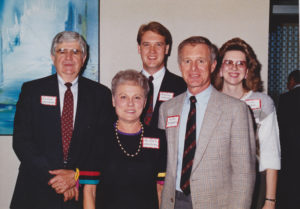 Central to that effort has been the long-term commitment of North Alabama’s public power organizations. For generations, TVA-served municipal utilities and electric cooperatives have supported regional economic development with an understanding that meaningful growth rarely happens overnight. Their sustained commitment has provided something especially valuable in economic development: the ability to think beyond the next project, the next year, or the next economic cycle and continue investing in the region’s future.
NAIDA’s role throughout the journey has been to help hold that collective effort together-to connect communities, utilities, partners, people, and resources; to facilitate cooperation across community lines, persistently promote North Alabama, and to keep pursuing opportunities whose results may not be realized for years.
More than seventy-five years later, North Alabama is a very different place. Yet the course established by those early leaders remain relevant today as we continue working to expand opportunities, strengthening the quality of life for people throughout North Alabama.
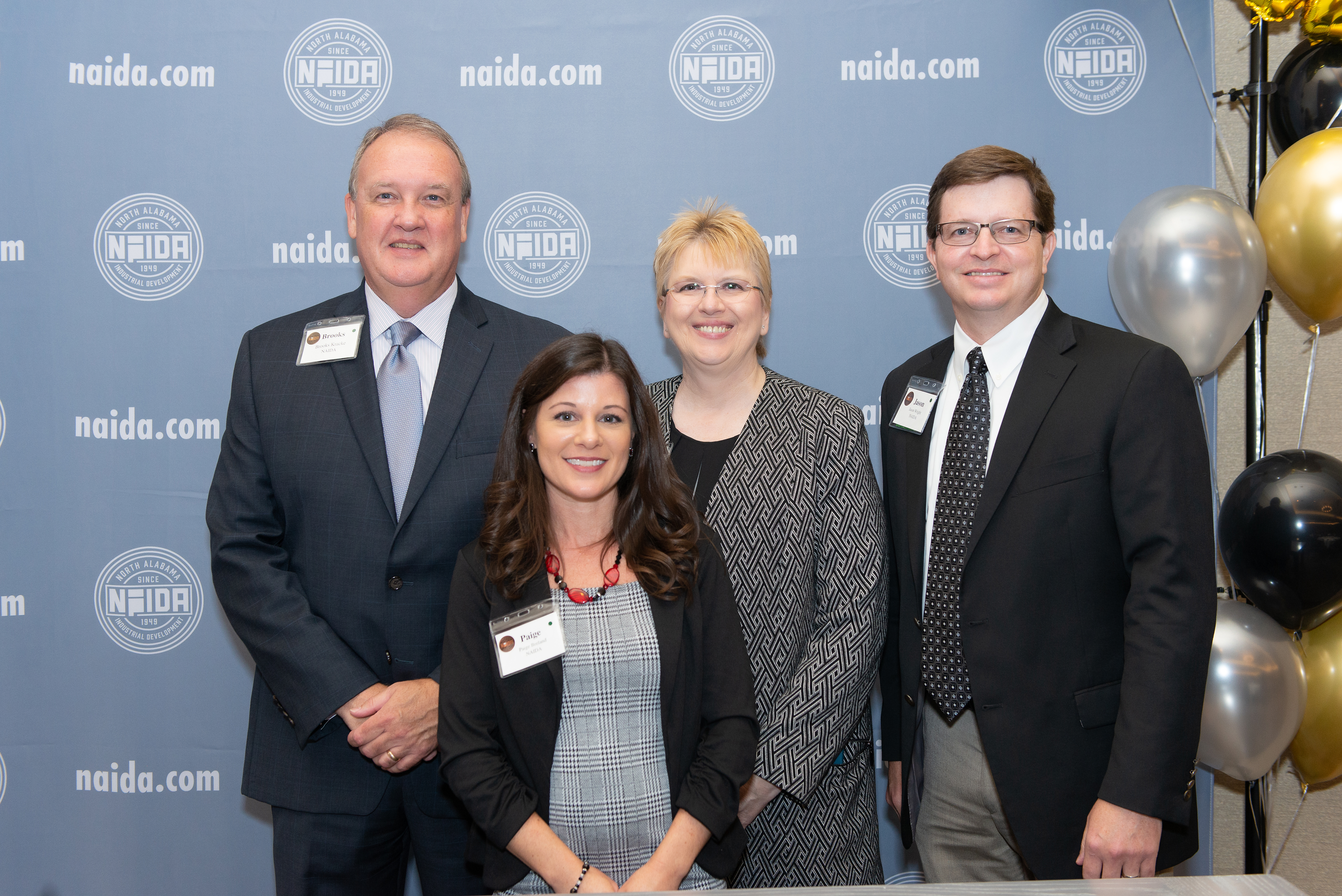
 Industrial development remains a long-term endeavor. It still requires vision, persistence, cooperation, and partners willing to make commitments today to opportunities that may not be realized for years. That enduring commitment-from public power, our communities, and our partners across the state and region-has given North Alabama something invaluable: the patience to build for tomorrow and the persistence to pursue it today. What took generations to build now belongs to another generation to carry forward.